
From our director
Love animation? Let’s talk about your future.
You’ve spent years learning, practising and creating. But what happens if the career you’ve imagined doesn’t quite work out? You don’t have to become an animator for your passion for animation to take you somewhere extraordinary.
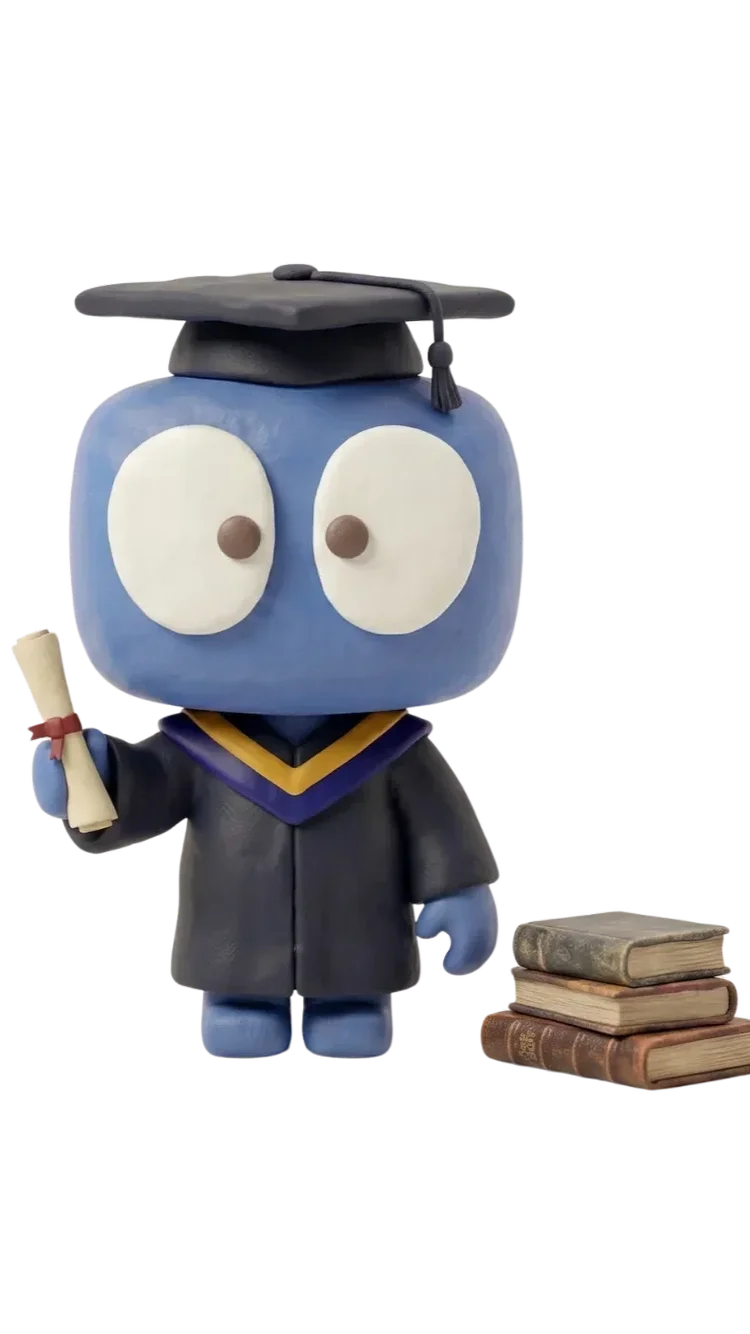 Not a straight lineand that’s okay
Maybe you’re studying animation at university or college. Maybe you’ve completed a T-level, attended workshops, or spent countless evenings teaching yourself through YouTube tutorials. Perhaps you’re just getting started, or perhaps you’ve reached the point where you’re wondering what comes next.
Wherever you are in your journey, there’s something we’d like to share.
A little story
When I started university, I wanted to work in animation. I loved animation. I loved watching it, creating stories, bringing ideas to life and being part of the whole creative process.
But fairly early into my degree, I realised something.
I wasn’t actually very good at animating.
I looked around at the other students on my course, and some of them were just naturally brilliant at it. They had an instinct for movement, timing and character performance that I simply didn’t have.
I worked hard, practised and improved, but the gap between my ability and theirs never really closed.
That was difficult to accept. I’d invested so much of myself in animation, and here I was discovering that one of the most fundamental parts of the career I’d imagined wasn’t something I was particularly good at.
But there was something else.
I was surrounded by people who could do the things I couldn’t. One of them became a close friend, and together we realised that our abilities complemented one another.
They could bring characters to life in ways I couldn’t. I enjoyed developing ideas, telling stories, understanding the bigger picture and working out how to turn creative work into something more.
And although I wasn’t the strongest animator, I understood animation. I spent three years learning the process, the software, the production pipeline and the challenges involved in bringing a project to life. If I needed to open someone’s project, make a change or understand why something wasn’t working, I could.
I wasn’t necessarily the best person to do the work, but I understood how it was done.
And that turned out to be incredibly important.
I had to accept that I wasn’t going to be an animator. I still get to work in and around animation. It didn’t happen the way I planned. And that’s okay.
Seventeen years later, I don’t animate
In 2009, we founded Carse & Waterman. I didn’t have a business degree. I hadn’t studied management, marketing or finance. I’d studied animation.
We built a company around something we loved, combining different strengths and learning the business side as we went along.
Seventeen years later, I very rarely, if ever, open animation software. Not exactly what I imagined when I first went to university!
What I imagined
- Bringing characters to life
- Timing and performance
- Hours in animation software
What my days look like
- Spreadsheets and budgets
- Meetings and proposals
- Marketing and recruitment
- Managing people and projects
- Conversations with clients
But here’s the thing.
I use my animation education every single day.
- When we’re planning a project, I understand the production process.
- When we’re recruiting an animator, I know what we’re looking for and what the work involves.
- When we’re estimating a budget, I understand the time, technical challenges and people required to deliver it.
- When I’m speaking to a client, I can explain how the process works, what’s realistic and how we can achieve their objectives.
- When something goes wrong, I understand enough about the work to help find a solution.
- And when we’re selling animation to businesses, I genuinely understand the product we’re offering.
Had I studied business and then tried to set up an animation studio, I might have understood the theory of running a company. But I wouldn’t necessarily have understood the thing we were selling.
Instead, I learned about business through the lens of something I already loved. And that’s what motivated me to keep learning.
Animation has taken us further than we ever imagined
Over the years, we’ve worked with clients around the world, won awards and helped organisations communicate in ways they couldn’t before. We’ve produced health and safety content designed to prevent accidents and protect lives. We’ve helped businesses explain complicated products and reach new audiences. We’ve worked on educational projects that help people learn, and community projects that bring people together and give them a voice.
All of that grew from a passion for animation. And much of it has been possible because we brought together people with different skills. Some are fantastic animators. Others are brilliant designers, storytellers, technical artists, producers or communicators.
My own career didn’t turn out the way I originally imagined. But I wouldn’t change the education that got me here.
Animation is an industry, not just a job
When people think about working in animation, they often picture someone sitting at a computer bringing characters to life. That’s an important part of it. But animation involves an enormous range of people, skills and responsibilities.
The industry is competitive, and opportunities aren’t evenly distributed. Not everyone who learns animation will find a job doing exactly what they imagined. But that doesn’t mean their skills don’t have value.
Widen your window
How many opportunities can you see?
Looking only for “animator” jobs at big studios? That’s one door out of many.
In fact, understanding the entire creative process can open up opportunities that aren’t immediately obvious. When your window of expectation is too small, it’s easy to walk straight past them.
What if you don’t end up working in animation?
Imagine you’ve spent years learning animation, but you find yourself working somewhere completely different: a shop, a restaurant, a charity, a school or a small business. At first, it might feel as though all that time has been for nothing.
But consider what you’ve actually learned. You’ve learned how to communicate ideas visually. You’ve learned about storytelling, timing, composition, colour, movement and design. You’ve learned how to break a complicated project into smaller stages, solve technical problems, work to deadlines and respond to feedback.
Those skills don’t suddenly stop being useful when you leave the animation industry.
In retail
Use your eye for design and presentation to improve displays, create promotional content or help customers understand a product.
In hospitality
Help communicate a restaurant’s identity through photography, menus, videos or social media.
At a charity
Explain important issues, create engaging campaigns, support community events or reach new audiences.
In a small business
Contribute to marketing, branding, presentations, training materials or digital content.
None of this means you’re automatically qualified for every creative or business role. You’ll still need to learn and develop new skills. But you may already have a foundation that you can build on.
Your skills aren’t necessarily limited to the job you originally trained for.
Follow your passion. Explore your strengths.
If there’s one thing I’d encourage anyone learning animation to do, it’s to keep exploring. If you love animating characters, keep animating. But also try storytelling, writing, directing, design, editing, producing and planning projects.
Learn how other departments work. Get involved in collaborative projects. Learn to communicate your ideas, receive feedback and manage your time.
And don’t be afraid to discover that you’re better at something different from what you originally set out to do. There’s no guarantee that following a passion will lead to your dream job. But the more you explore, the more possibilities you give yourself.
Feeling stuck? Ask yourself three questions.
- Is my window too narrow? Am I only looking for one job title, at one kind of company?
- What’s already near me? Local businesses, community projects, freelance briefs and roles next door to the one I want can all be a way in.
- Can people actually see my work? Opportunities often go to the people who are easiest to find and easiest to say yes to.
A thought for parents and those supporting young creatives
At Carse & Waterman, we’ve spent years welcoming young people into our studio, supporting work experience, delivering workshops and helping people discover the creative industries. We’ve seen how powerful a passion for animation can be. For some young people, it’s the thing that motivates them to learn, practise, communicate and develop confidence. That’s worth encouraging.
But supporting someone’s passion doesn’t necessarily mean preparing them for one very specific career. If a young person loves animation, encourage them to animate. But also introduce them to storytelling, design, technology, collaboration and the wider world of creative work. Celebrate their achievements without making their future happiness dependent on securing one particular job.
Because ultimately, the aim isn’t simply to create the next great animator. It’s to help a young person become capable, confident, creative and adaptable enough to find their own path.
So, what now?
Keep learning. Keep creating. Keep exploring. Be ambitious about what you want to achieve, but be open-minded about where your abilities might take you.
You might become a brilliant animator. You might discover you’re better at directing, producing, designing, writing, teaching or communicating. You might build a business. You might work in an entirely different industry and find ways to apply your creative thinking you never expected. Or you might simply keep enjoying animation as something you love, rather than something you do for a living.
All of those are perfectly valid outcomes.
When I started learning animation, I thought I needed to become a great animator. Seventeen years into running an animation and visual communication studio, I’ve discovered that I didn’t. I needed to understand what animation could do, find people who shared my passion, and learn how to bring our different strengths together.
Your passion might not take you where you expected. But that doesn’t mean it can’t take you somewhere worthwhile.
Daniel Waterman, Director, Carse & Waterman
